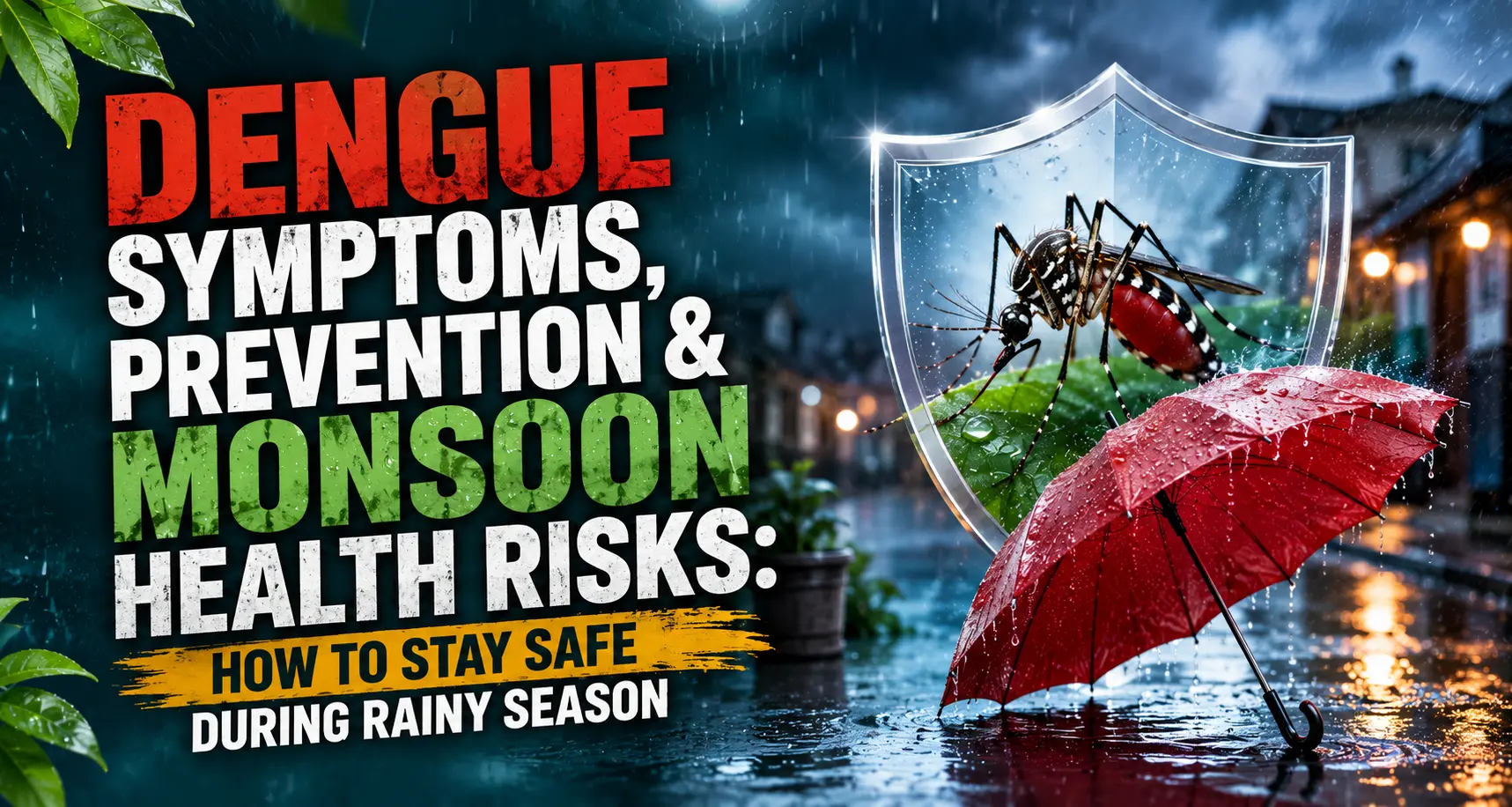
The monsoon season brings relief from the summer heat, but it also increases the risk of several health concerns. One of the most common and serious dengue symptoms monsoon-related illnesses is dengue fever. Every year, thousands of people are affected by dengue, making awareness and prevention extremely important.
Along with dengue, the rainy season also creates conditions that support the growth of fungi, leading to skin infections and seasonal allergies. Understanding the symptoms of dengue and other monsoon health risks can help you take timely preventive measures and maintain better overall health.
What is Dengue Fever?
Dengue fever is a viral infection caused by the dengue virus and transmitted through the bite of infected Aedes mosquitoes. It is one of the most common mosquito-borne diseases in tropical and subtropical regions.
What Causes Dengue?
The primary cause of dengue is the dengue virus, which spreads through infected mosquito bites. Many people search for information about the virus for dengue fever to understand how the disease spreads and how it can be prevented.
The mosquito responsible for transmitting dengue typically breeds in clean, stagnant water found in containers, coolers, flower pots, and water tanks.
Why Dengue Cases Increase During Monsoon?
During the rainy season, water accumulation creates ideal breeding grounds for mosquitoes. Increased humidity and stagnant water significantly raise the risk of dengue transmission, making monsoon the peak season for dengue outbreaks.
Common Dengue Symptoms
Recognizing dengue symptoms early can help individuals seek timely medical attention and avoid complications.
Early Symptoms of Dengue
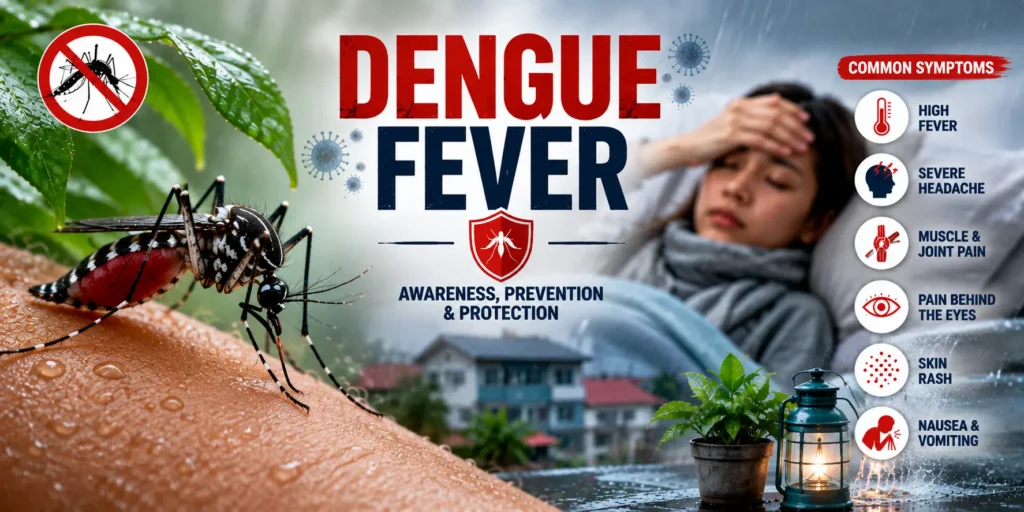
Common early symptoms include:
Sudden high fever
Severe headache
Pain behind the eyes
Joint and muscle pain
Fatigue and weakness
Nausea and vomiting
Skin rash
Warning Signs That Need Medical Attention
Immediate medical care may be required if the following symptoms appear:
Severe abdominal pain
Persistent vomiting
Difficulty breathing
Bleeding gums or nose
Blood in stool or vomit
Extreme weakness or dizziness
If any of these symptoms occur, consult a healthcare professional immediately.
Understanding Dengue Platelet Count
One of the commonly discussed aspects of dengue is the dengue platelet count. Platelets help the blood clot properly. In some dengue patients, platelet levels may decrease significantly.
A falling platelet count can increase the risk of bleeding complications. However, platelet count alone should not determine the severity of the disease. Proper medical monitoring and professional guidance are essential throughout recovery.
How to Prevent Dengue During Monsoon
Effective dengue prevention starts with controlling mosquito breeding and reducing exposure to mosquito bites.
Keep Surroundings Clean
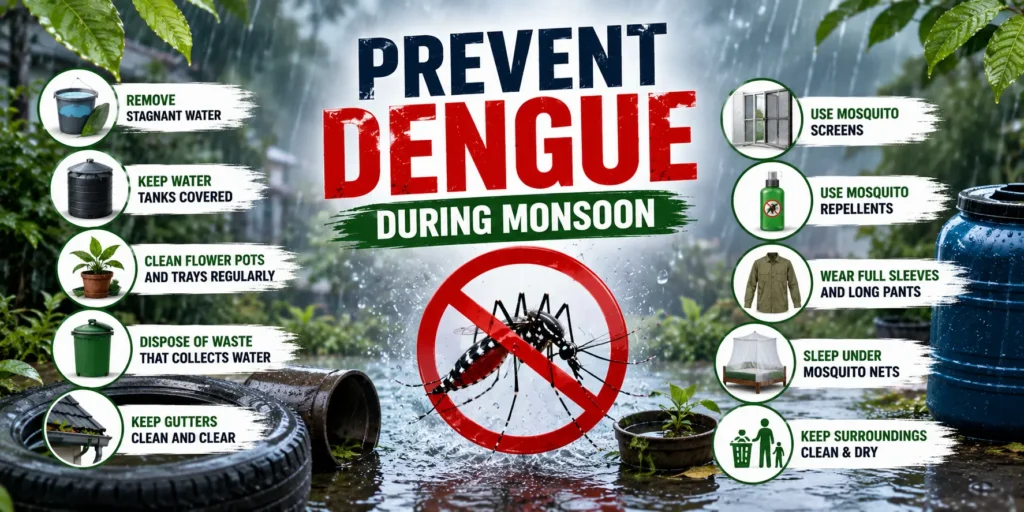
Remove stagnant water from containers.
Clean water storage tanks regularly.
Dispose of unused items that collect rainwater.
Prevent Water Stagnation
Empty coolers frequently.
Keep buckets and containers covered.
Ensure proper drainage around the home.
Use Mosquito Protection Measures
Apply mosquito repellents.
Wear full-sleeved clothing.
Install mosquito screens on windows and doors.
Use mosquito nets while sleeping.
Support Your Immunity
Maintaining a healthy lifestyle, staying hydrated, eating nutritious foods, and getting adequate rest can help support overall well-being during monsoon.
Dengue Vaccine and Medical Treatment
Is There a Dengue Vaccine?
Many people search for information about the dengue vaccine. Vaccination policies and recommendations may vary by region and health authorities. Individuals should consult qualified healthcare professionals for the latest guidance regarding dengue vaccination.
Medicine for Dengue
Currently, there is no specific antiviral medicine for dengue that completely cures the infection. Treatment generally focuses on:
Adequate hydration
Rest
Fever management under medical supervision
Monitoring platelet levels and symptoms
Avoid self-medication and always seek medical advice if dengue is suspected.
Other Common Monsoon Health Problems Besides Dengue
While dengue is a major concern, monsoon weather can also increase the risk of fungal infections and seasonal allergies.
Seasonal Fungal Infections
Warm temperatures and high humidity create ideal conditions for fungal growth. Excess sweating and prolonged moisture on the skin can lead to fungal infections.
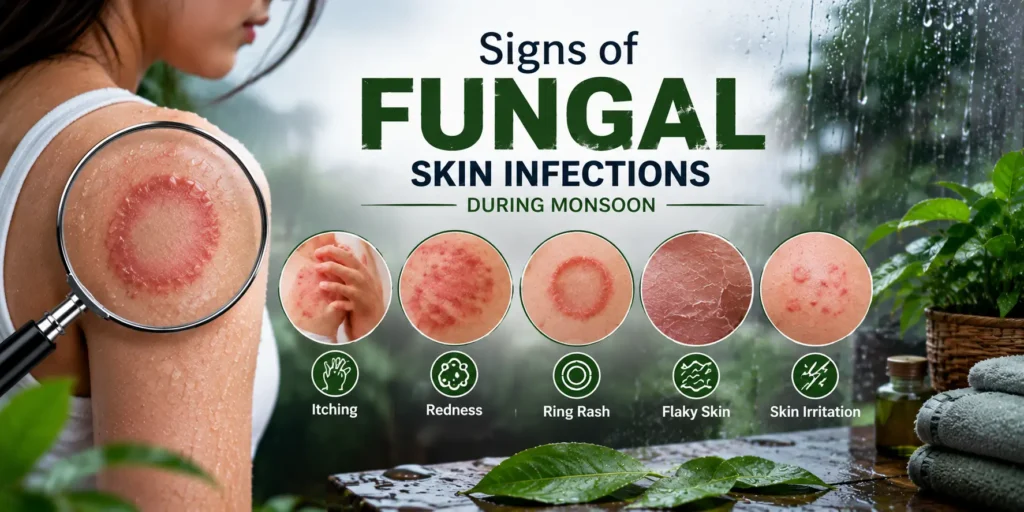
Common signs include:
Persistent itching
Redness
Skin irritation
Ring-shaped rashes
Burning sensation
Seasonal Allergies During Rainy Season
The rainy season may increase exposure to mold spores and other allergens.
Common symptoms include:
Skin itching
Irritation
Sneezing
Watery eyes
Allergy flare-ups
Signs of Fungal Skin Infections During Monsoon
Monsoon-related fungal infections often affect areas where moisture gets trapped.
Common symptoms include:
Itchy skin
Red patches
Rashes
Peeling skin
Discomfort and irritation
Recurring fungal infections
Early care and proper hygiene can help reduce the severity and recurrence of these conditions.
How to Reduce the Risk of Seasonal Fungal Allergies
Maintain Skin Hygiene
Regular cleansing helps remove sweat, dirt, and microorganisms that may contribute to fungal growth.
Keep Skin Dry
Dry the skin thoroughly after bathing and sweating, especially in skin folds and moisture-prone areas.
Wear Breathable Clothing
Choose loose-fitting, breathable fabrics that help reduce moisture accumulation.
Support Skin Health Naturally
A balanced diet, proper hydration, and healthy lifestyle habits can contribute to overall skin wellness during the rainy season.
When Should You Consult a Healthcare Professional?
Seek professional medical advice if you experience:
Persistent high fever
Suspected dengue symptoms
Severe weakness or dehydration
Bleeding symptoms
Recurring fungal infections
Severe allergic reactions
Early diagnosis and treatment can help prevent complications and support a faster recovery.
Conclusion
Dengue remains one of the most common monsoon-related illnesses, making awareness of dengue symptoms, prevention strategies, and timely medical care extremely important. Understanding the causes of dengue fever, monitoring dengue platelet count, and following preventive measures can significantly reduce health risks.
At the same time, monsoon weather also increases the likelihood of fungal infections and seasonal allergies. Maintaining hygiene, preventing moisture buildup, and supporting overall wellness can help you stay healthy throughout the rainy season.
By taking proactive steps and seeking timely medical guidance when needed, you can better protect yourself and your family from both dengue and other common monsoon health concerns.