Cash On Delivery Available •
Free Delivery On All Orders •
10% Off On Prepaid Orders •
100% Secure Payments •
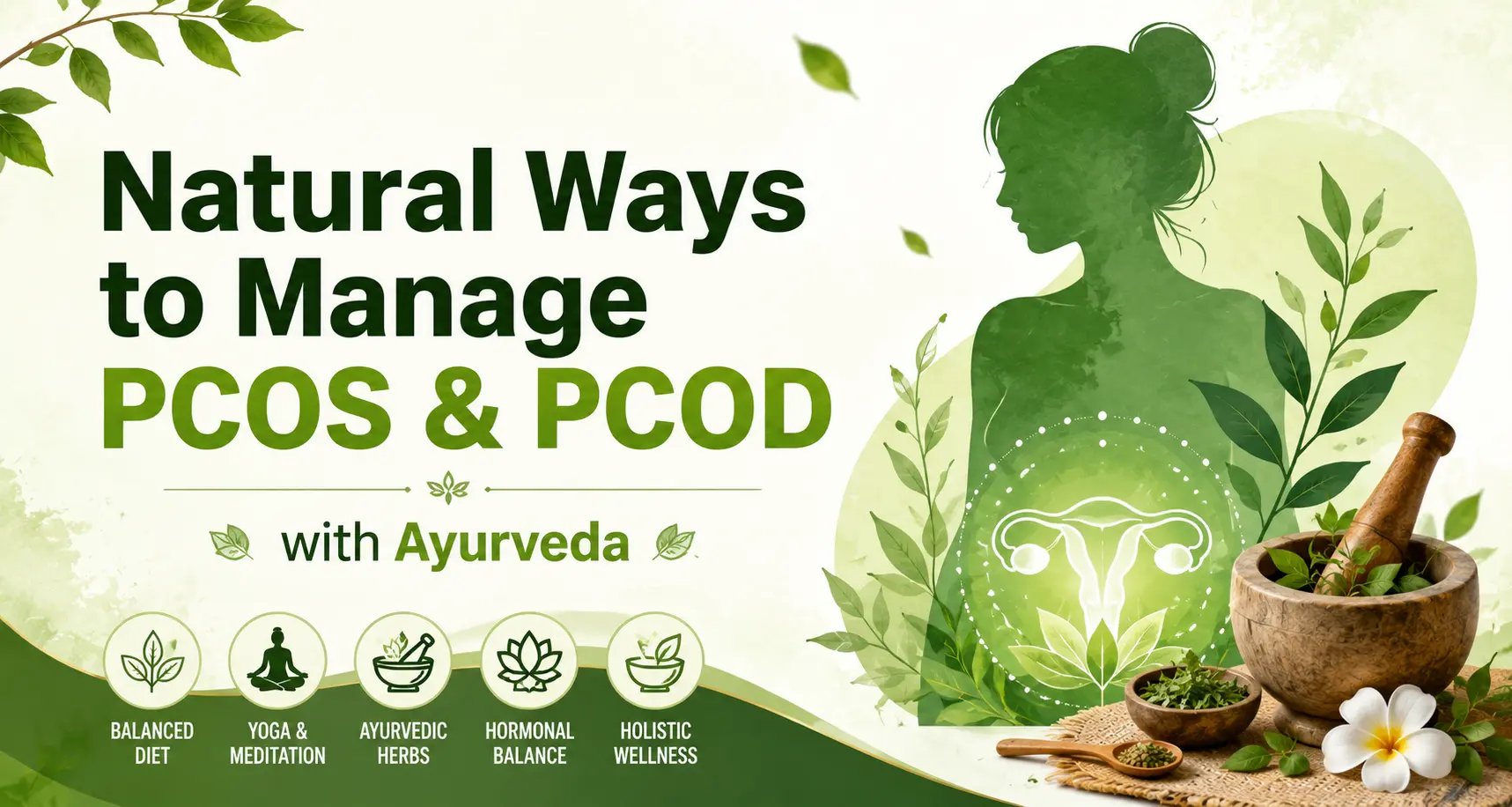
Natural Ways to Manage PCOS & PCOD with Ayurveda

Introduction
Polycystic Ovary Syndrome (PCOS) and Polycystic Ovarian Disease (PCOD) are common hormonal conditions that affect many women during their reproductive years. These conditions may be associated with irregular menstrual cycles, acne, unwanted hair growth, weight management challenges, and difficulties with ovulation. The severity and symptoms vary from person to person, so management often needs to be individualized.
Ayurveda, the traditional system of wellness that originated in India, emphasizes supporting overall health through balanced nutrition, lifestyle practices, herbal support, stress management, and daily routines. While Ayurveda is not a replacement for medical diagnosis or treatment, it may complement conventional care as part of a comprehensive wellness plan.
In this guide, we’ll explore natural Ayurvedic approaches that may help support women living with PCOS and PCOD while promoting hormonal balance and overall well-being.
Understanding PCOS & PCOD in Ayurveda
Ayurveda does not describe PCOS or PCOD as single diseases but instead views them as conditions resulting from imbalances in the body’s natural energies, or doshas, along with disturbances in metabolism (Agni) and the body’s channels (Srotas).
Depending on an individual’s constitution, one or more doshas may be involved:
- Kapha imbalance may be associated with sluggish metabolism and weight gain.
- Pitta imbalance may contribute to inflammatory tendencies or skin concerns.
- Vata imbalance may influence irregular menstrual cycles and stress-related symptoms.
Because every woman has a unique body constitution, Ayurvedic recommendations are typically personalized rather than one-size-fits-all.
Common Symptoms of PCOS & PCOD
Symptoms can vary widely, but common signs include:
- Irregular or missed periods
- Acne and oily skin
- Excess facial or body hair
- Weight management challenges
- Hair thinning
- Mood changes
- Difficulty with ovulation
- Fatigue
If you experience persistent symptoms, consult a qualified healthcare professional for proper evaluation and diagnosis.
1. Follow a Balanced Ayurvedic Diet
Nutrition plays an important role in overall hormonal health. Ayurveda encourages eating fresh, wholesome foods that support digestion and help maintain balance.
Include:
- Seasonal fruits and vegetables
- Whole grains like millet, barley, and oats
- Lentils and legumes
- Healthy fats from nuts and seeds
- Freshly prepared home-cooked meals
Limit:
- Highly processed foods
- Sugary snacks and beverages
- Excess fried foods
- Refined carbohydrates
- Excessive packaged foods
Eating meals at regular times may also support healthy digestion and metabolism.
2. Support Healthy Digestion (Agni)
Ayurveda considers Agni, or digestive fire, to be central to overall wellness. Efficient digestion supports the body’s ability to utilize nutrients effectively.
Simple habits that may support digestion include:
- Eating only when genuinely hungry
- Avoiding overeating
- Chewing food thoroughly
- Drinking warm water throughout the day
- Choosing freshly cooked meals whenever possible
Strong digestion is viewed as an important foundation for maintaining overall health.
3. Maintain a Healthy Weight Through Regular Activity
For women with PCOS or PCOD who are overweight, gradual and sustainable weight management may help support overall metabolic health.
Ayurveda encourages movement that suits your body, such as:
- Brisk walking
- Yoga
- Cycling
- Swimming
- Light strength training
Aim for consistency rather than intense exercise that may be difficult to maintain.
4. Practice Yoga and Mindfulness
Stress can influence hormonal health and overall well-being. Ayurveda places great importance on calming the mind and establishing a balanced daily routine.
Helpful practices include:
- Deep breathing exercises
- Meditation
- Gentle yoga
- Mindfulness techniques
- Adequate relaxation
Many women find these practices beneficial for supporting emotional wellness alongside healthy lifestyle habits.
5. Prioritize Quality Sleep
Sleep plays an essential role in maintaining overall health.
Ayurvedic sleep recommendations include:
- Sleep at consistent times each night.
- Limit screen exposure before bedtime.
- Create a calm sleeping environment.
- Avoid heavy meals late at night.
- Aim for 7–9 hours of restful sleep.
Good sleep hygiene supports recovery, energy levels, and general well-being.
6. Consider Ayurvedic Herbs Under Professional Guidance
Ayurveda traditionally uses a variety of herbs to support women’s health. Commonly used herbs may include:
- Ashwagandha
- Shatavari
- Guduchi
- Turmeric
- Triphala
However, herbal supplements are not suitable for everyone. Always consult a qualified Ayurvedic practitioner or healthcare provider before starting any herbal regimen, especially if you are pregnant, trying to conceive, breastfeeding, or taking prescription medications.
7. Build a Consistent Daily Routine (Dinacharya)
Ayurveda emphasizes the importance of Dinacharya, or a structured daily routine.
Simple habits include:
- Waking up at a regular time
- Eating meals consistently
- Exercising daily
- Staying hydrated
- Managing stress
- Sleeping on time
Consistency can support healthy lifestyle habits over the long term.
8. Stay Physically and Mentally Active
A balanced lifestyle includes both physical movement and mental engagement.
Activities such as:
- Walking outdoors
- Reading
- Gardening
- Spending time in nature
- Practicing hobbies
- Connecting with family and friends
may contribute positively to emotional wellness and stress management.
9. Stay Hydrated
Proper hydration supports normal body functions and overall health.
Ayurveda often recommends:
- Drinking water regularly throughout the day
- Choosing warm or room-temperature water if comfortable
- Limiting sugary beverages
- Including herbal teas when appropriate
Hydration complements a balanced diet and healthy lifestyle.
10. Work with Healthcare Professionals
Although natural lifestyle practices can support overall wellness, PCOS and PCOD require proper medical evaluation and ongoing care.
Consult your healthcare provider if you experience:
- Very irregular or absent periods
- Severe pelvic pain
- Heavy bleeding
- Difficulty conceiving
- Rapidly worsening symptoms
A combination of medical care, healthy nutrition, physical activity, stress management, and personalized guidance often provides the most comprehensive approach.
Final Thoughts
Managing PCOS and PCOD naturally with Ayurveda is about creating sustainable habits that support your body’s overall balance rather than looking for quick fixes. A nutritious diet, regular exercise, quality sleep, stress management, mindful eating, and a structured daily routine can all contribute to long-term wellness.
Ayurveda emphasizes individualized care, recognizing that every woman’s body is unique. What works for one person may not be suitable for another, making personalized guidance especially valuable.
If you’re considering Ayurvedic herbs or therapies, consult both a qualified Ayurvedic practitioner and your healthcare provider to ensure they fit safely within your overall care plan. With consistent healthy habits and appropriate medical support, many women can work toward improved well-being and a better quality of life.