

Ayurveda Prefers Food Over Supplements for Breast care
In today’s fast-paced world, many people are quick to turn to supplements for better health. From multivitamins to protein powders and herbal capsules, it seems like there’s a supplement for every part of the body — including breast health. But Ayurveda, the ancient Indian system of medicine, takes a different approach.
Ayurveda believes in the healing power of food. It teaches that when we eat the right foods for our body type (dosha), lifestyle, and environment, we don’t need to rely on artificial or packaged supplements. This wisdom applies even to breast health — an area that many women are now paying more attention to, whether for beauty, strength, hormonal balance, or disease prevention.
In this blog, we’ll explore why Ayurveda prefers food over supplements, especially when it comes to breast health, and how you can support your breast health naturally through daily habits and diet.
What Is Breast Health in Ayurveda?
Ayurveda doesn’t look at the breasts as just physical features. They are part of the “Stanya Vaha Srotas” — the body’s internal system responsible for nourishing tissues, especially in women. These tissues are directly linked to the reproductive system and hormonal balance. Healthy breasts reflect strong immunity, stable hormones, and proper lymphatic function.
When this system is disturbed, it can lead to:
- Breast tenderness
- Hormonal imbalance
- Irregular menstruation
- Cysts or lumps
- Weight gain or water retention in the chest area
According to Ayurveda, these imbalances often begin with poor digestion (agni), accumulation of toxins (ama), and incorrect lifestyle choices.
Why Food Is Preferred Over Supplements in Ayurveda
Here are some reasons why Ayurveda emphasizes food over pills, powders, or artificial extracts:
Whole Foods Are Easier to Digest
In Ayurveda, digestion is everything. If your body can’t digest a supplement properly, it becomes a toxin. Whole foods are naturally balanced with fiber, enzymes, and micronutrients that support digestion and assimilation.
For example:
- Eating sesame seeds provides not just calcium, but also magnesium, healthy fats, and fiber — a combination your body recognizes and uses effectively.
- Drinking warm turmeric milk nourishes your body gently, unlike some high-dose turmeric capsules that can irritate the gut.Food Works Holistically
A single fruit or spice can have many benefits. For example:
- Amla (Indian gooseberry) is good for immunity, skin, digestion, and also balances hormones.
- Flaxseeds support breast health by providing plant-based estrogen (phytoestrogens) along with fiber and omega-3 fatty acids.
Supplements often isolate one nutrient, missing out on the holistic effect of natural food.
Supplements May Cause Imbalance
Ayurveda emphasizes balance. High-dose supplements can sometimes lead to excess — too much iron, calcium, or Vitamin D can create problems like bloating, constipation, or kidney stress. Natural foods tend to give just the right amount that your body needs, without overloading it.
Mindful Eating Nourishes More Than the Body
In Ayurveda, how you eat matters as much as what you eat. Eating with attention, chewing properly, and choosing fresh, seasonal foods improves digestion and absorption — something that can’t be achieved by swallowing pills in a hurry.
Emotional Connection
Food carries emotional value. Warm, home-cooked meals are grounding and nurturing. Ayurveda believes emotions affect physical health, especially in areas like the breasts and reproductive system. Food prepared with love supports healing on all levels — physical, mental, and emotional.
Top Ayurvedic Foods for Breast Health
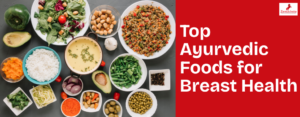
Here are some foods that support breast health naturally, nourish the tissues, balance hormones, and reduce the risk of inflammation or imbalance.
Sesame Seeds (Til)
- Rich in calcium, zinc, and plant estrogens
- Warm and nourishing for Vata and Pitta dosha
- How to use: Add roasted sesame seeds to soups, salads, or laddoos
Flaxseeds
- Contains lignans (natural phytoestrogens)
- Supports hormone balance and breast tissue health
- How to use: Roast, grind, and sprinkle over cooked vegetables or mix into smoothies
Turmeric
- Natural anti-inflammatory and detoxifying
- Improves lymph flow and cleanses breast tissue
- How to use: Boil with milk and a pinch of black pepper for golden milk
Amla (Indian Gooseberry)
- Rich in Vitamin C and antioxidants
- Supports tissue regeneration and immunity
- How to use: Eat fresh or consume amla juice daily on an empty stomach
Fennel Seeds (Saunf)
- Helps regulate hormones, reduces water retention
- Often recommended for menstrual and reproductive balance
- How to use: Boil with water to make a herbal tea after meals
Ghee (Clarified Butter)
- Lubricates and nourishes the tissues (dhatus)
- Supports hormonal health when consumed in moderation
- How to use: Add 1 teaspoon to warm rice or dal daily
Moringa (Drumstick Leaves)
- Full of iron, calcium, and essential amino acids
- Strengthens the immune system and supports hormonal health
- How to use: Add to soups or stir-fry with ghee and spices
Additional Ayurvedic Tips for Breast Wellness

Besides diet, Ayurveda also recommends daily habits and natural therapies to maintain breast health:
- Daily Abhyanga (Self Massage)
- Massaging the breasts gently with warm oils like sesame or almond oil promotes circulation and lymphatic drainage.
- This reduces toxins and improves the elasticity and tone of breast tissue.
2. Wear Comfortable Clothing
- Tight bras or synthetic materials can restrict blood flow and trap heat, especially for Pitta types.
- Choose breathable fabrics like cotton and avoid wearing bras during sleep.
3. Manage Stress
- Chronic stress disrupts hormones, which can affect breast health.
- Practice yoga, meditation, or slow breathing (pranayama) daily to keep the mind calm.
4. Stay Hydrated
- Drink warm water throughout the day to support detox and hydration.
- Herbal teas like tulsi, ginger, or coriander water are excellent choices.
5. Avoid Heavy, Processed Foods
- Foods like cheese, fried snacks, red meat, and processed sugar create ama (toxins) in the body and clog the lymph system.
When Are Supplements Useful?
Ayurveda doesn’t completely reject supplements. They may be useful:
- In serious deficiency (as diagnosed by a doctor)
- For specific conditions like iron-deficiency anemia, Vitamin D deficiency, or post-surgery healing
- Under guidance from a certified Ayurvedic doctor or nutritionist
But even then, they are seen as a short-term aid — not a lifelong replacement for proper food.
Final Thoughts
Ayurveda teaches that healing starts in the kitchen. For breast health and overall wellness, nourishing your body with real, wholesome food is far more powerful than any supplement bottle.
Listen to your body. Understand your dosha. Eat fresh, seasonal meals. Practice self-care. And most importantly, create a loving relationship with your food — because true nourishment is more than just nutrients. It’s about balance, connection, and awareness.
“Let food be your medicine and kitchen your pharmacy.” — Ayurvedic wisdom





Leave a Reply